



A Guide to Waste Disposal Regulations for Businesses
Understanding waste disposal regulations is crucial for businesses in Scotland and the UK. These regulations protect public health, the environment, and help companies manage costs and reduce legal risks. At WM Thompson & Sons, we assist businesses in handling waste responsibly, ensuring full compliance with regulations, while providing efficient waste removal services and access to licensed disposal sites. In this article, we will explain how important the significance of waste disposal regulations.
Why Waste Regulation Matters
Businesses across the UK generate a significant amount of waste, including construction debris, packaging, and hazardous by-products. Legal obligations are in place to ensure businesses manage waste responsibly, preventing harm to people and the environment. These regulations also promote recycling, reuse, and sustainable practices, while reducing reliance on landfills.
Complying with waste regulations is not just about avoiding fines; it's also about demonstrating corporate responsibility. Effective waste management can improve a company’s reputation with clients, regulators, and the public. On the flip side, failing to comply with waste regulations can result in substantial penalties under environmental law.
Key Legal Frameworks for Waste Disposal
The Waste (Scotland) Regulations 2011
In Scotland, the Waste (Scotland) Regulations 2011 implement the EU Waste Framework Directive. They require businesses to:
● Apply the waste hierarchy (prevention, reuse, recycling, recovery, disposal).
● Separate certain waste types for recycling where possible.
● Keep records to demonstrate compliance.
These regulations apply across all sectors, encouraging businesses to reduce waste generation and increase recycling and recovery efforts.
The Environmental Protection Act 1990
This act provides the foundational “duty of care” for waste produced by businesses throughout the UK. Under this law, businesses must:
● Handle waste safely and responsibly.
● Transfer waste only to authorised parties (e.g., licensed waste carriers).
● Maintain accurate records, such as waste transfer notes, for each disposal.
Failure to comply with these duties can lead to criminal penalties, so it’s essential to document all waste-related activities.
The EU Landfill Directive
Although the UK has left the EU, some aspects of the EU Landfill Directive remain relevant. This directive aims to:
● Reduce reliance on landfills.
● Prevent pollution from landfill sites.
● Restrict the types of waste allowed in landfills to limit environmental harm.
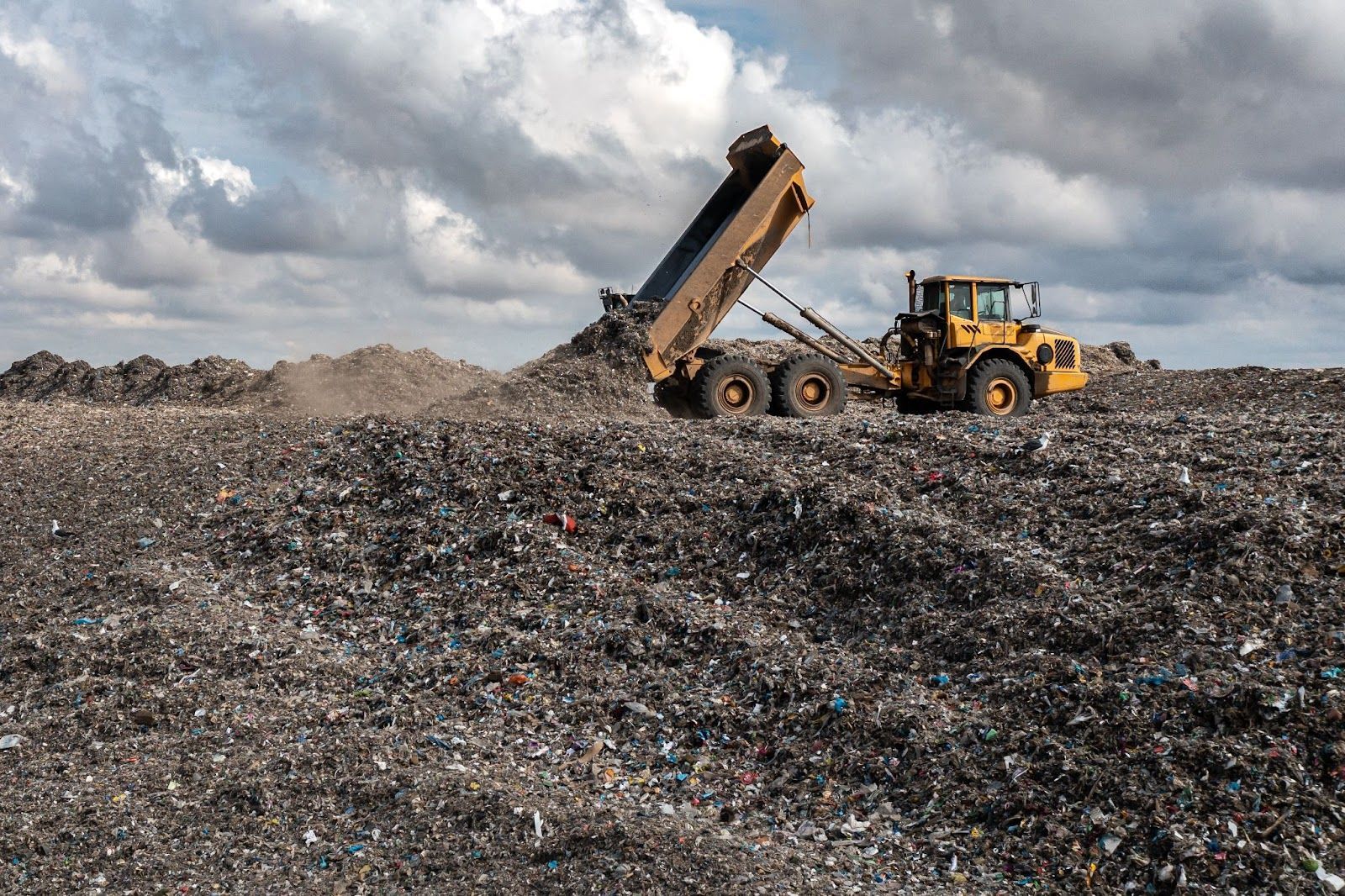
Landfills, including those operated by WM Thompson & Sons, must meet strict criteria to ensure waste is disposed of correctly and that environmental risks are mitigated.
Hazardous Waste Regulations 2005
The Hazardous Waste Regulations 2005 govern the management of hazardous materials, which can pose significant risks to health or the environment. Businesses must:
● Properly identify and classify hazardous waste.
● Ensure it is transported and disposed of by authorised carriers and facilities.
● Complete consignment notes for each movement of hazardous waste.
Proper classification prevents hazardous materials from being mixed with non-hazardous waste and ensures their safe handling.
Landfill Tax Regulations (and Scottish Landfill Tax)
The UK imposes a landfill tax on waste disposed of at landfills, discouraging reliance on these sites. In Scotland, the Landfill Tax (Scotland) Act 2014 governs this tax, requiring waste to be assessed and taxed based on weight.
This tax incentivises businesses to seek alternative disposal methods, such as recycling and reuse, reducing landfill volumes.
Business Responsibilities Under Waste Law
UK and Scottish law impose similar duties on businesses that generate waste. These include:
Duty of Care
Businesses must ensure that all waste is stored, transported, and disposed of correctly. Whether done by an in-house team or an external contractor, companies must ensure compliance with waste management regulations.
Classification and Segregation
Before collection, waste must be correctly classified (hazardous or non-hazardous) and segregated accordingly. This ensures it is managed under the appropriate legal framework.
Record Keeping and Permits
Businesses must ensure waste carriers hold the correct licences and that landfill disposal complies with tax and environmental requirements. Accurate record-keeping is essential, including waste transfer notes and consignment notes.
How WM Thompson & Sons Helps Businesses Stay Compliant
At WM Thompson & Sons, we support businesses of all sizes in meeting their legal waste management obligations through professional, fully compliant waste removal services. Our licensed landfill site in Dumbarton accepts non-hazardous waste from sectors such as construction and demolition, ensuring all materials are managed in line with strict environmental standards and current regulations. Alongside landfill services, we prioritise recycling and reuse wherever possible, helping businesses reduce their environmental impact while staying compliant with the waste hierarchy.
Our waste management services are tailored to each business, minimising administrative burden and ensuring waste is handled safely and legally at every stage. Whether dealing with rubble, scrap materials, or general waste, we work closely with businesses to ensure the correct classification, transportation, and disposal of waste using authorised carriers and facilities.
To remain compliant, businesses should adopt proactive waste management practices, such as carrying out regular waste audits to identify the types and volumes of waste produced and how they are currently managed. This helps ensure waste is correctly classified and directed towards appropriate disposal or recycling routes. It is also essential to use fully licensed waste carriers and disposal sites, as well as maintain accurate records, including waste transfer notes and consignment notes, which may be required during inspections or audits. Finally, exploring recycling options and segregating waste at the source can significantly reduce landfill costs, lower environmental impact, and support long-term sustainability goals.
Engaging Employees in Waste Reduction Initiatives
One often-overlooked aspect of waste management compliance is the role of employees. While businesses are responsible for ensuring waste is disposed of correctly, it's crucial to also engage staff in waste reduction initiatives. Training employees on proper waste segregation is one of the most effective ways to ensure compliance with waste disposal regulations. For example, employees should be educated on the importance of separating hazardous from non-hazardous waste, as well as how to minimise waste at the source through practices like reusing materials or reducing packaging.
Clear signage throughout the workplace can also be an effective tool to remind employees of waste segregation procedures. It ensures that the right actions are taken in the right locations, reducing the chances of contamination or mismanagement. To motivate employees to stay engaged with waste reduction efforts, businesses can implement incentives for those who come up with innovative ideas to reduce waste or improve recycling practices. Whether it's through small rewards or recognition in company meetings, offering such incentives can create a culture of environmental responsibility and contribute to meeting regulatory standards more effectively.
Making Sure You Get It Right
Adhering to waste disposal regulations is essential for businesses in Scotland and the UK. By following legal requirements, businesses can avoid penalties and demonstrate their commitment to sustainability. With the right waste management practices, businesses can reduce costs, improve efficiency, and contribute to a greener future.
At WM Thompson & Sons, we’re committed to helping businesses navigate waste disposal regulations with ease. Whether you need professional waste removal services or access to a licensed disposal site, our experienced team is here to support you. Contact us today to take your first step toward more sustainable waste management.