





Cement Recycling: Turning Waste into Useful Materials
Cement recycling, more accurately described as concrete recycling, involves processing waste concrete and cement-based materials into reusable aggregates for construction, drainage, sub-base and landscaping applications. Rather than sending suitable concrete waste to landfill, recycling allows it to be crushed, screened and graded for reuse in future construction projects. At WM Thompson & Son, recycling construction waste into usable aggregates is a core part of our approach to responsible waste management, helping clients reduce landfill use, recover useful materials and meet relevant environmental requirements.
Although “cement recycling” is a commonly used term, the material being recycled is usually concrete or other cement-based construction waste rather than cement itself.
This article explains how cement recycling works, the different concrete aggregate types it produces, and why choosing a dedicated recycling service makes sense for builders, developers, and landowners alike.
What Is Cement Recycling?
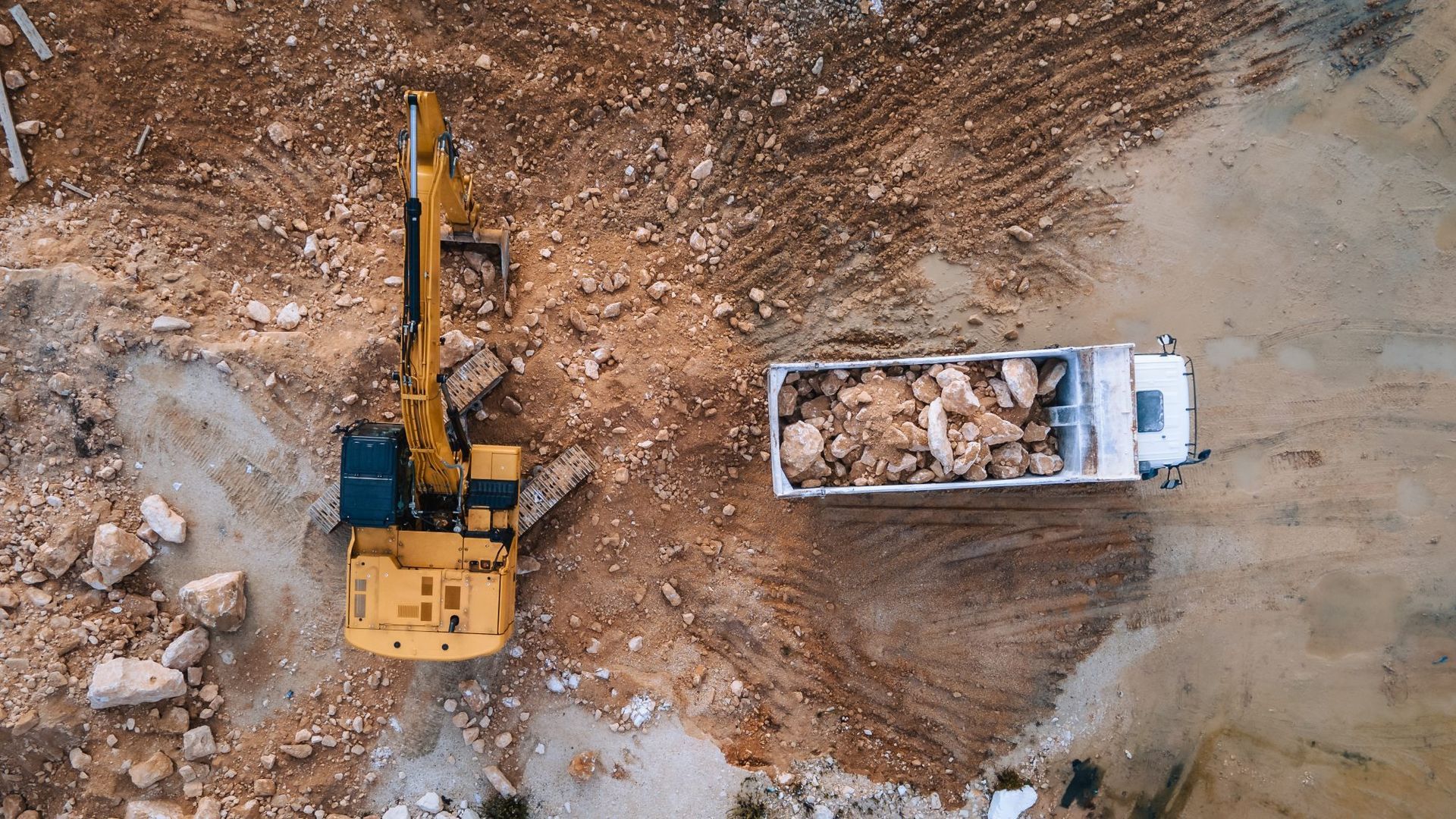
Cement recycling, often more accurately described as concrete recycling, is the process of crushing and processing waste concrete and other suitable cement-based construction materials into reusable aggregates. Instead of sending suitable demolition material to landfill or relying entirely on newly quarried aggregate, waste concrete can be crushed, screened and graded for reuse in construction projects.
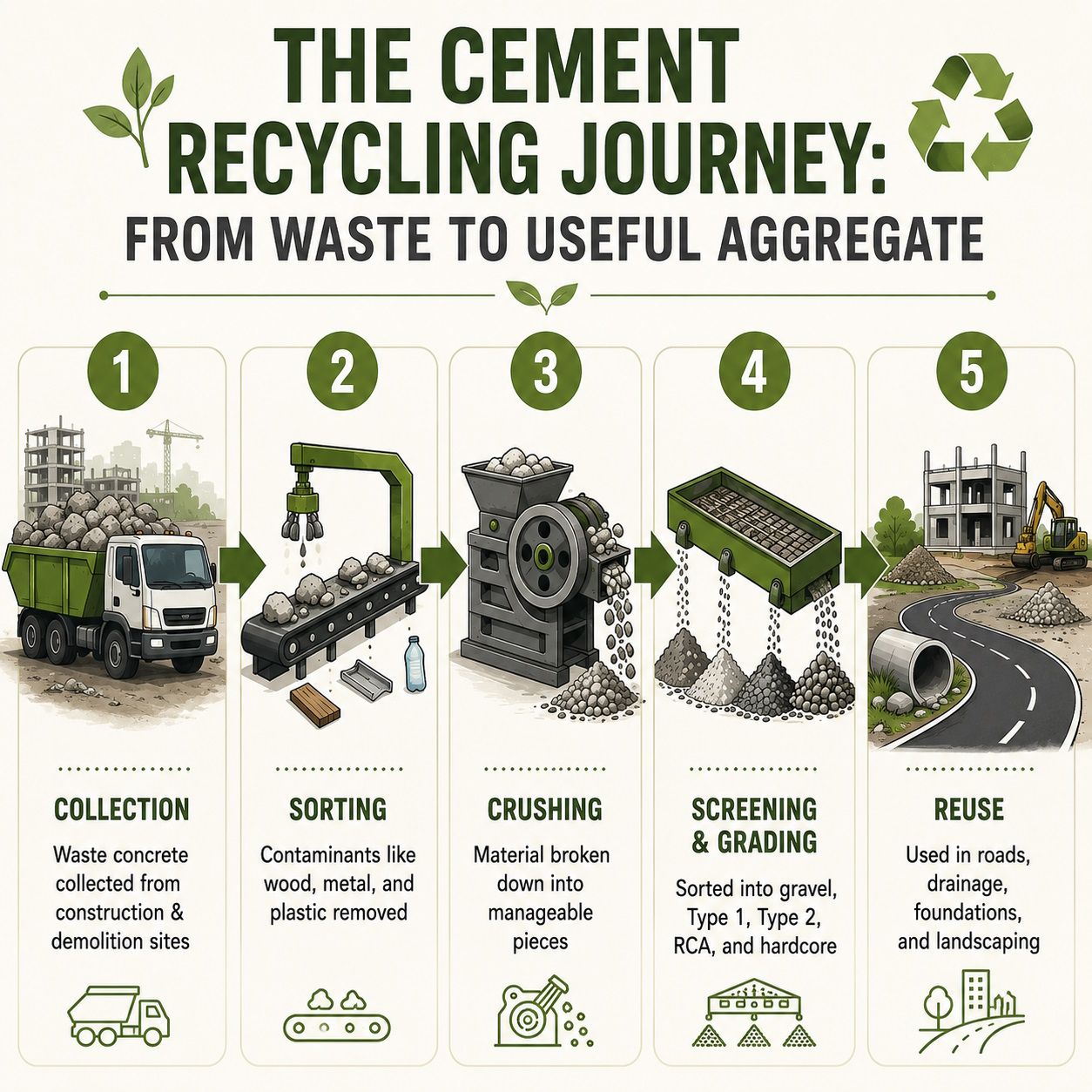
The process typically involves several stages:
- Collection and sorting – Waste concrete and cement rubble is collected from construction, demolition, and excavation sites and sorted to remove contaminants such as wood, plastic, or metal.
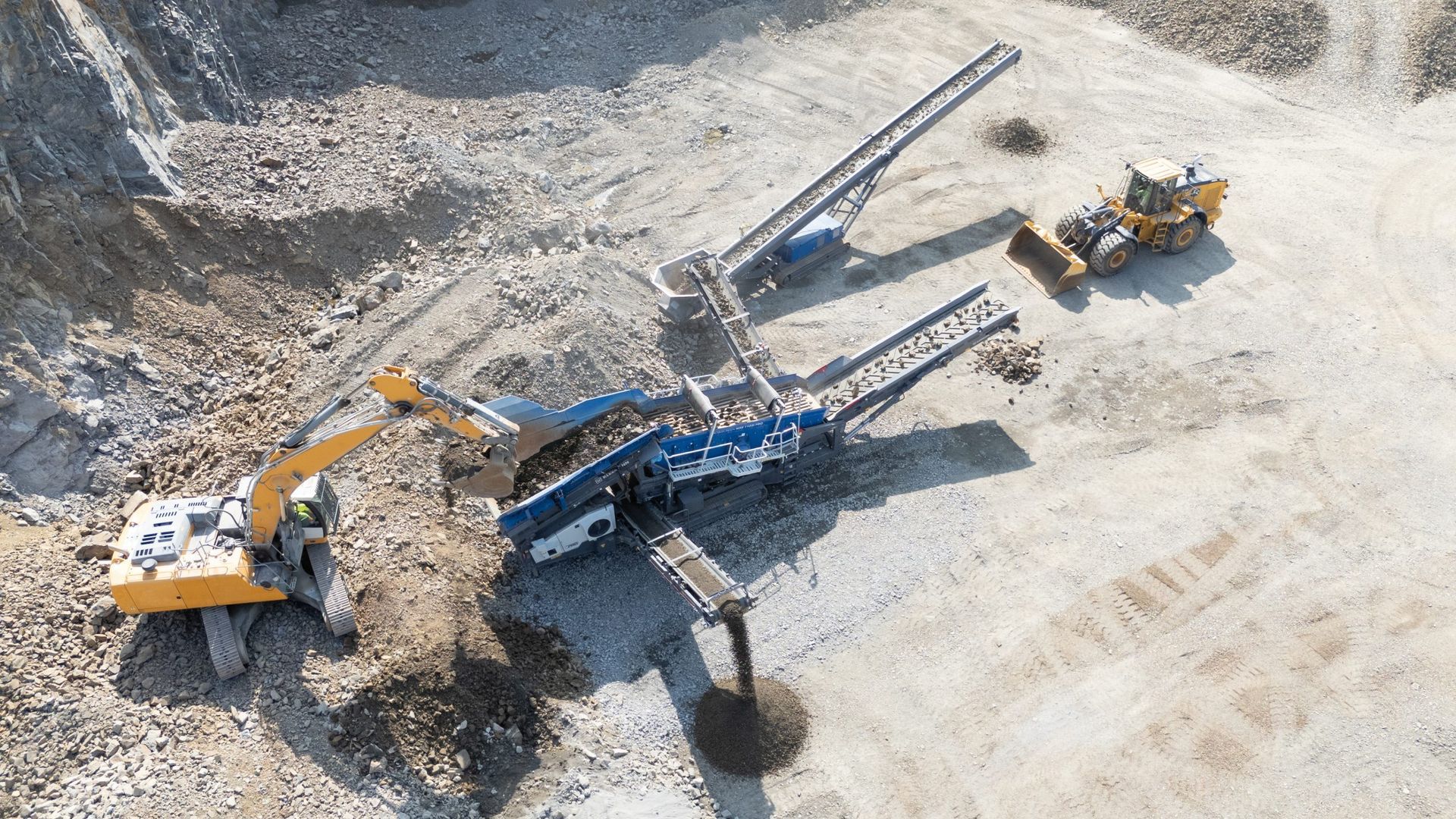
- Crushing – The sorted material is fed through crushers that break it down into smaller, manageable pieces.
- Screening and grading – Crushed material is screened to separate it into different particle sizes, producing various grades of recycled concrete gravel and aggregate.
- Quality testing – Recycled aggregates are tested to ensure they meet the required specifications for strength, durability, and cleanliness before being reintroduced into the supply chain.
The result is a range of high-quality materials that can be used in place of virgin aggregates for a wide variety of applications.
What Recycled Concrete Aggregates Can Be Produced?
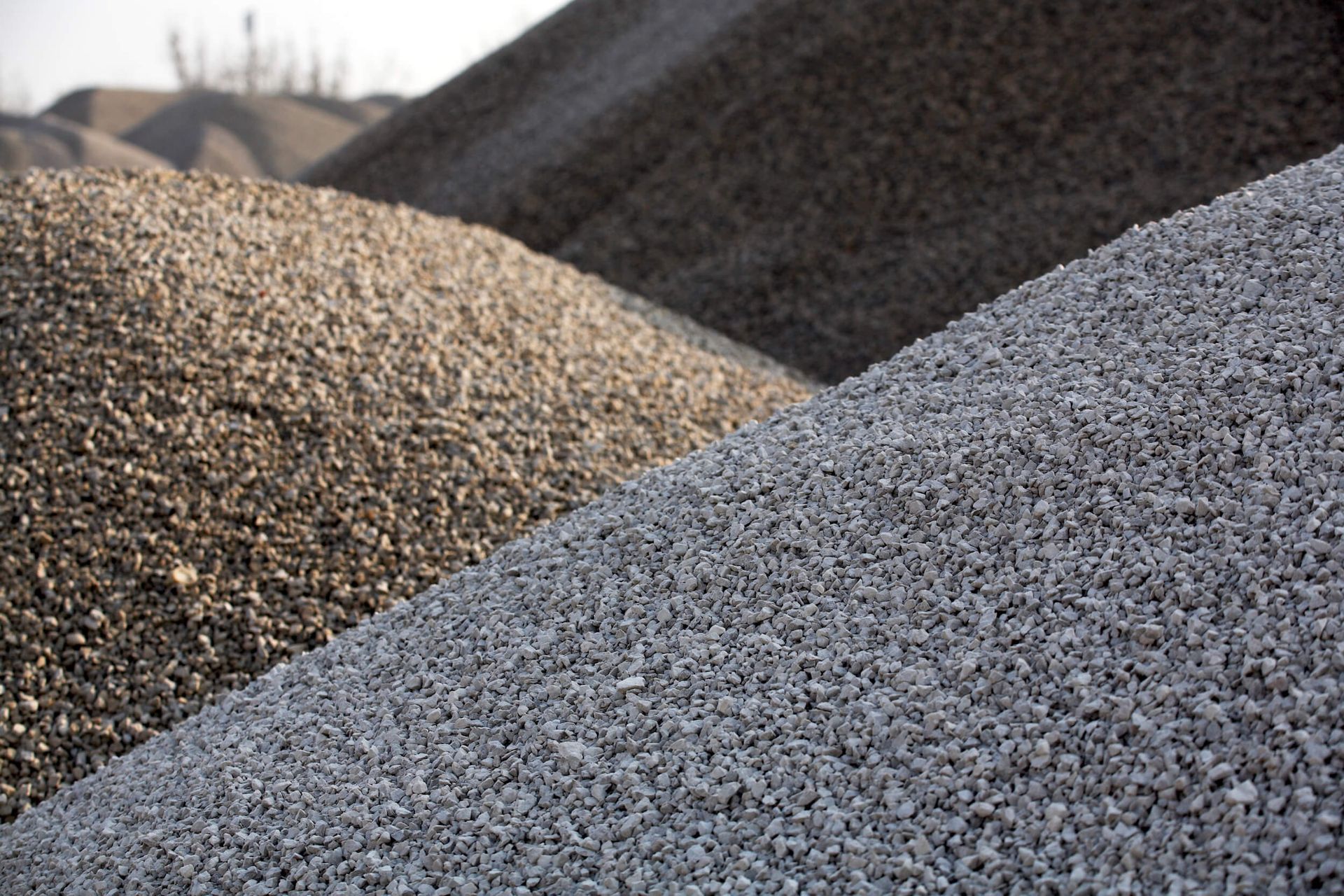
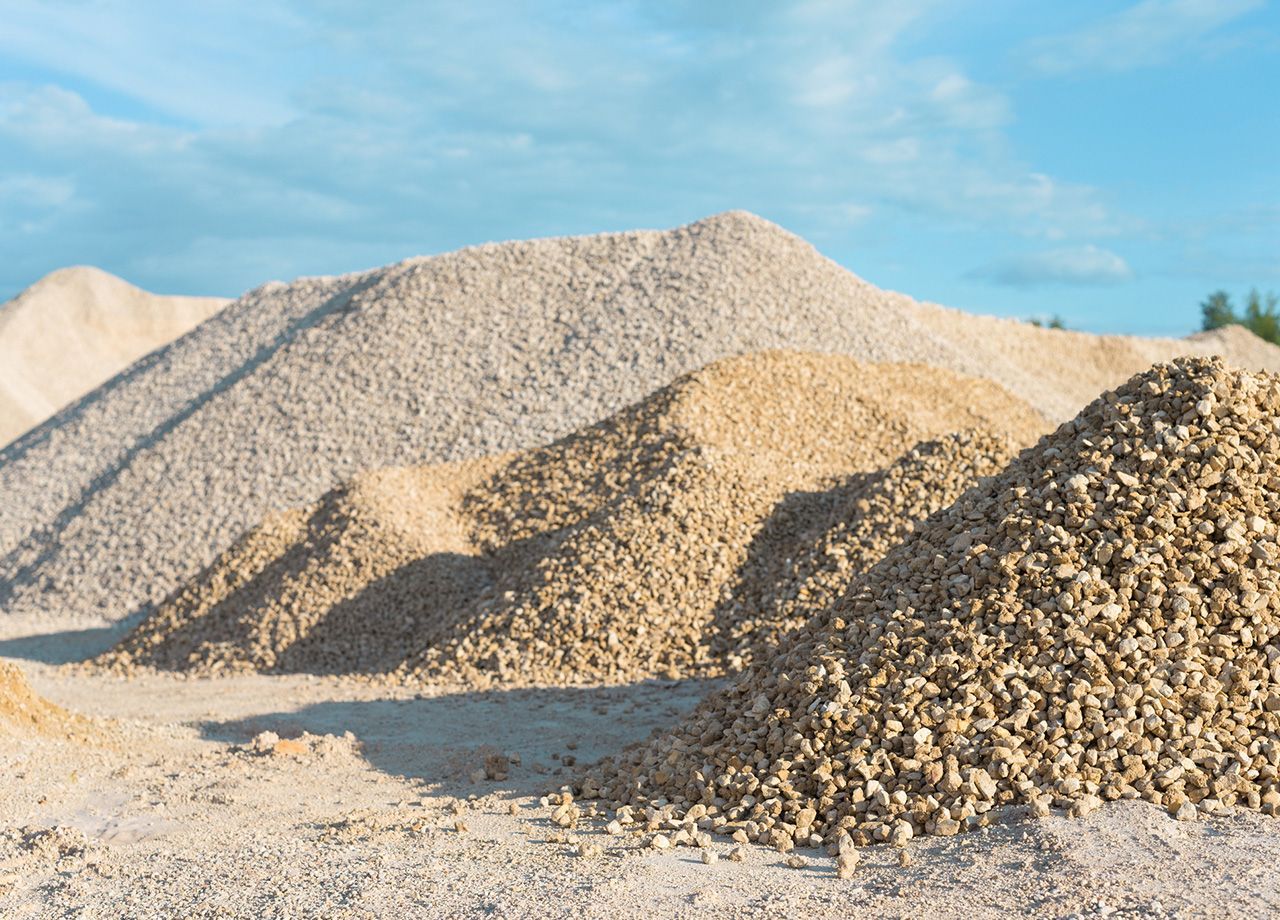
Not all recycled aggregate is the same. Depending on the source material and processing method, recycling facilities produce several concrete aggregate types, each suited to different uses:
- Recycled concrete aggregate (RCA) – Crushed concrete graded for use as a sub-base material in roads, car parks, and hardstanding areas.
- Recycled concrete gravel – Smaller, rounded or angular particles ideal for drainage, backfill, and general landscaping work.
- Crushed hardcore – A mix of concrete, brick, and masonry rubble, commonly used for foundations and site levelling.
- Type 1 and Type 2 sub-base – Graded aggregates that meet specifications for use beneath roads, driveways, and pathways.
When properly processed, graded and tested for their intended use, recycled aggregates can provide a practical alternative to virgin quarried materials while helping reduce demand for newly extracted resources.
The Environmental Benefits of Cement Recycling
The environmental case for cement recycling is strong, and it plays directly into the broader push for sustainable construction across the UK.
Reducing Landfill Waste
Construction, demolition and excavation waste accounts for a significant proportion of the UK's waste output. By recycling suitable concrete and other inert construction materials rather than disposing of them, recycling facilities can reduce demand for landfill capacity and keep useful mineral resources in circulation.
Conserving Natural Resources
Using recycled aggregate can reduce demand for virgin materials such as gravel, sand and crushed stone. This can help limit the environmental impacts associated with quarrying, material processing and the transport of newly extracted aggregates.
Lowering Carbon Emissions
Producing recycled aggregate can require less extraction and processing than sourcing new quarried material. Where recycled materials are also sourced closer to a construction site, transport distances and associated emissions may be reduced further.
Supporting a Circular Economy
Cement recycling keeps materials in use for longer, feeding waste back into the construction supply chain instead of treating it as a one-way, disposable resource. This circular approach reduces overall demand for raw materials and helps the construction industry move towards more sustainable practices.
Compliance with UK Regulations
Cement and concrete recycling isn't just good practice — it's increasingly tied to regulatory compliance in the UK. Working with an experienced recycling service helps ensure projects stay on the right side of the law while avoiding unnecessary costs.
- Landfill Tax – Sending inert waste like concrete to landfill incurs Landfill Tax, which has risen steadily over recent years. Recycling avoids this cost entirely.
- Site Waste Management Plans (SWMPs) – SWMPs are no longer a statutory requirement in England, but they remain good practice and may still be requested through client requirements, contracts or local planning conditions.
- Environment Agency Permits and Exemptions – Facilities that process and recycle construction waste must operate under the correct environmental permits or waste exemptions, ensuring materials are handled safely and legally.
- CL:AIRE Definition of Waste Code of Practice – For projects reusing materials on-site, this framework helps determine when recycled or reclaimed material can be classified as a resource rather than waste.
- BS EN 12620 and BS EN 13242 – Recycled aggregates used in concrete or general construction must meet these British Standards for aggregate quality and performance.
By using a licensed, professional recycling service, contractors and developers can demonstrate compliance, reduce liability, and support broader sustainability targets set by clients or local planning authorities.
Why Choose WM Thompson & Son for Cement Recycling
At WM Thompson & Son, sustainability sits at the heart of our landfill and recycling operations. We work with construction firms, demolition contractors, and site managers to process cement and concrete waste efficiently, turning it into high-quality recycled aggregates ready for reuse.
Our approach focuses on:
- Responsible processing – Every load is sorted, crushed, and graded to produce reliable, specification-compliant aggregate.
- Reduced landfill dependency – We divert as much construction waste as possible away from landfill, supporting both environmental goals and cost savings for our clients.
- Regulatory compliance – Our operations are run in line with Environment Agency requirements, giving clients confidence that their waste is being handled correctly.
- A full range of recycled materials – From recycled concrete gravel to graded sub-base aggregates, we supply materials suited to a wide range of construction and landscaping applications.
Whether you're managing a demolition project, a large-scale development, or simply need a dependable outlet for surplus concrete waste, our recycling service is designed to make the process straightforward, compliant, and environmentally sound.
Final Thoughts
Cement recycling turns what was once considered waste into a valuable resource, reducing landfill use, conserving natural materials, and helping construction projects meet increasingly strict UK regulations. With the right recycling partner, businesses can access reliable, cost-effective concrete aggregate types, including recycled concrete gravel, while supporting a more sustainable future for the construction industry.
To find out more about how WM Thompson & Son can support your project with expert cement recycling and a dependable recycling service,
get in touch with our team today.