





Types of Crushed Stone for Construction Projects: A Guide
Choosing the right building materials can make or break a construction project, and crushed stone sits at the heart of almost every job, from a domestic driveway to a large-scale groundworks scheme. With so many types of crushed stone available, each suited to a different purpose, it is easy to see why customers often ask which product they actually need. This guide walks through the most common types of crushed stone, typical crushed stone sizes, what affects the cost of stones for construction, and how a trusted quarry can help you get the right material first time.
What Is Crushed Stone and Why Does It Matter in Construction?
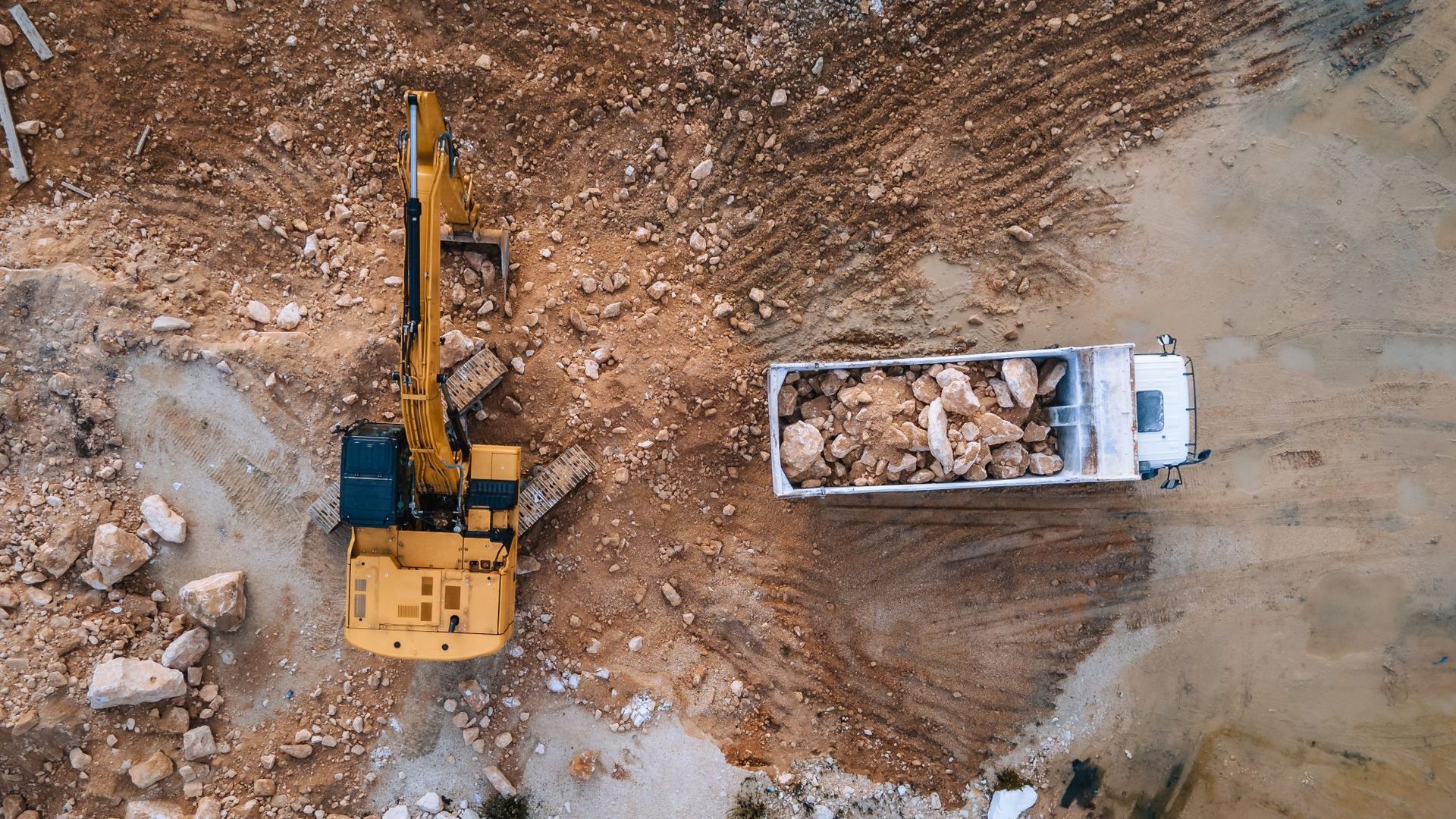
Crushed stone is natural rock that has been mechanically broken down into smaller, angular fragments. Unlike naturally rounded river gravel, crushed stone is quarried and processed through crushers and screens to produce material with sharp, interlocking edges, which is what gives it strength, as the angular pieces lock together under compaction to create a stable, load-bearing base.
Crushed stone is used across almost every stage of construction, from the sub-base beneath a road to the bedding layer under a patio. As a long-established quarrying services provider, we produce a wide range of crushed stone products from our own quarry, so every load is consistent and ready for the job in hand.
In short: crushed stone is angular, quarried rock that provides strength, drainage and stability, and choosing the right type is central to a successful build.
What Are the Main Types of Crushed Stone for Construction?
There is no single type of crushed stone. The term covers a family of products, each processed and graded for a specific use, and the types below are the ones most commonly supplied for construction, landscaping and groundworks projects.
Hardcore
Hardcore, sometimes called crusher run, is a mixture of crushed stone in various sizes, from larger fragments down to finer dust. This blend allows hardcore to compact effectively, as smaller pieces fill the gaps between larger ones to create a dense, stable base. It is widely used beneath driveways, patios, roads and foundations, often as the first material laid on site.
Gravel
Gravel is a versatile aggregate available in a range of diameters and can be sized to individual preference. It suits drainage structures such as soakaways, decorative landscaping and residential driveways, where texture matters as much as performance. Gravel can be a natural quarry product or a recycled aggregate reclaimed from demolition waste.
Drainage Stone
Drainage stone is a porous, clean-graded crushed stone produced to let water pass through freely. It is used in French drains, soakaways and land drainage systems, where trapped water could otherwise cause damage. Being single-sized and free from fines, it does not compact like hardcore, which keeps water moving rather than pooling.
Recycled Aggregates
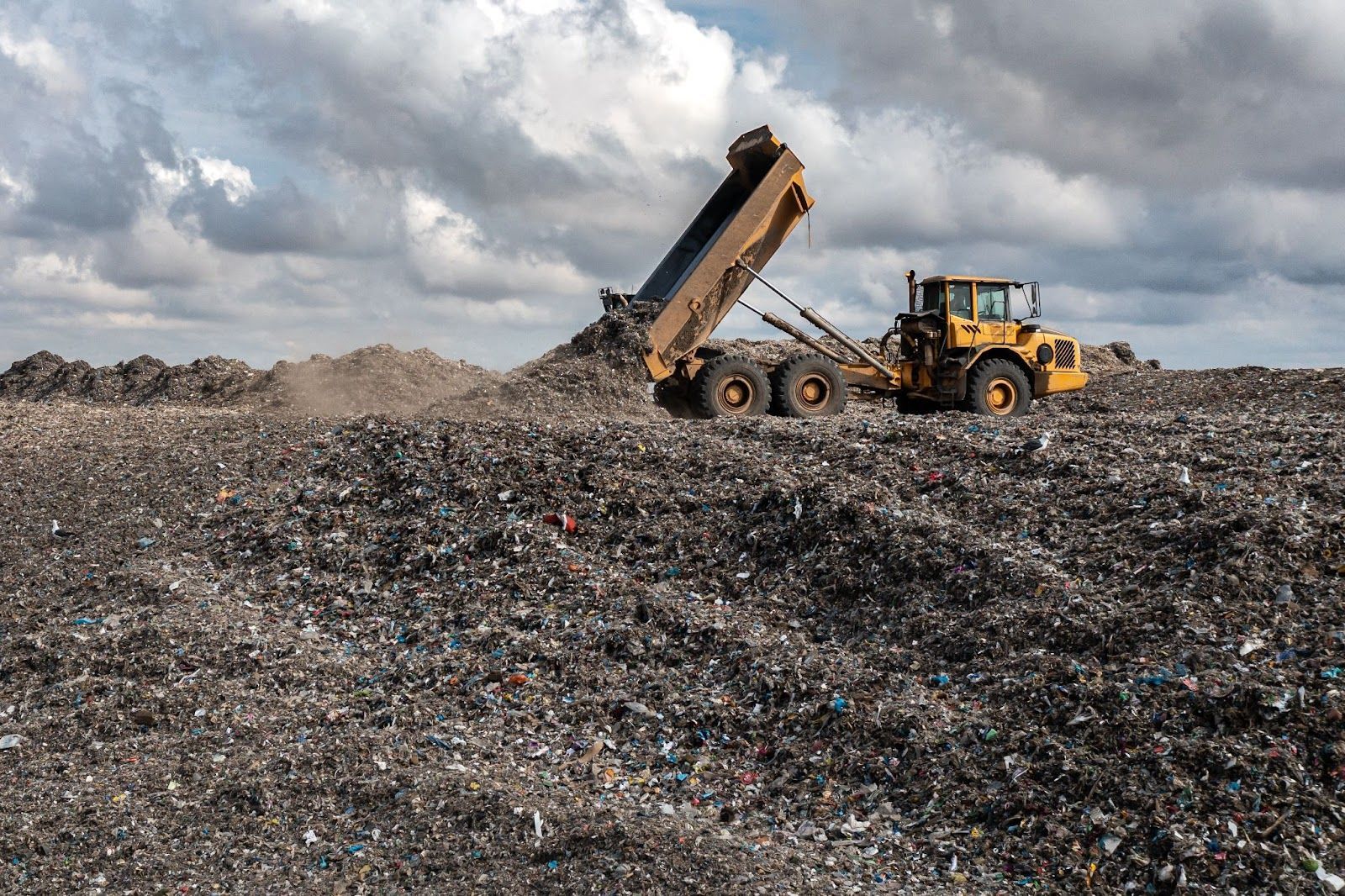
Recycled aggregates, including crushed concrete and reclaimed stone, are produced by processing demolition and construction waste through a crusher and screening it to size. The result performs similarly to virgin quarried stone, but with a lower environmental impact, making it ideal for sub-base applications, hardcore and general groundworks.
Type 1 and Sub-Base Stone
Type 1 is a well-graded crushed stone, typically produced from limestone, granite or a similar hard rock, and is one of the most widely specified sub-base materials in the UK. It compacts into a dense layer that spreads load evenly, making it the go-to choice beneath roads, driveways and car parks.
Armour Stone and Gabion Stone
At the larger end of the scale, armour stone and gabion stone are chosen for their size and resistance to erosion. Armour stone protects embankments and features in landscaping, while gabion stone fills wire baskets to create retaining walls, boundaries or decorative structures.
In short: hardcore, gravel, drainage stone, recycled aggregates, Type 1 and larger armour or gabion stone each serve a distinct purpose, so matching the product to the job is the first step to a successful build.
What Sizes Does Crushed Stone Come In?
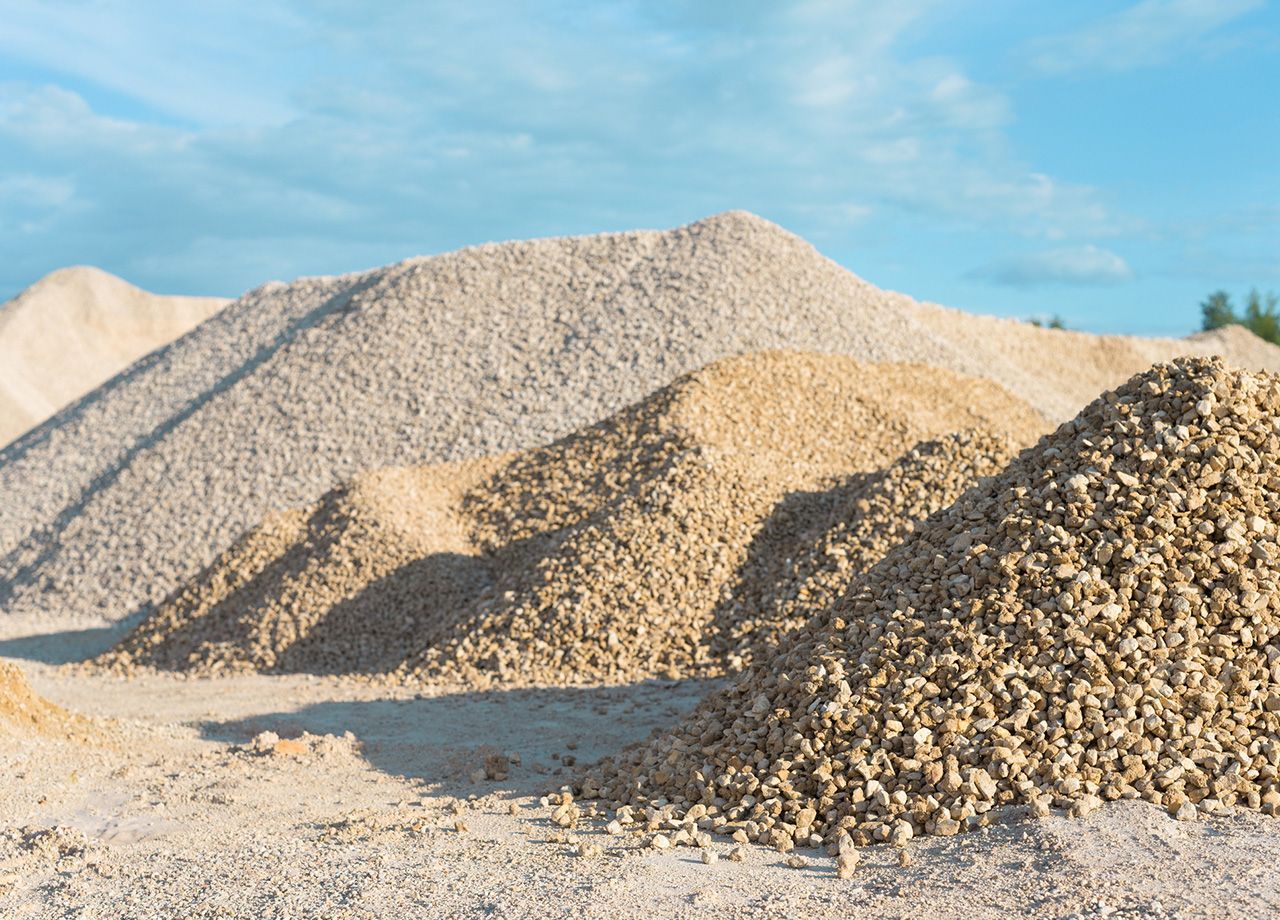
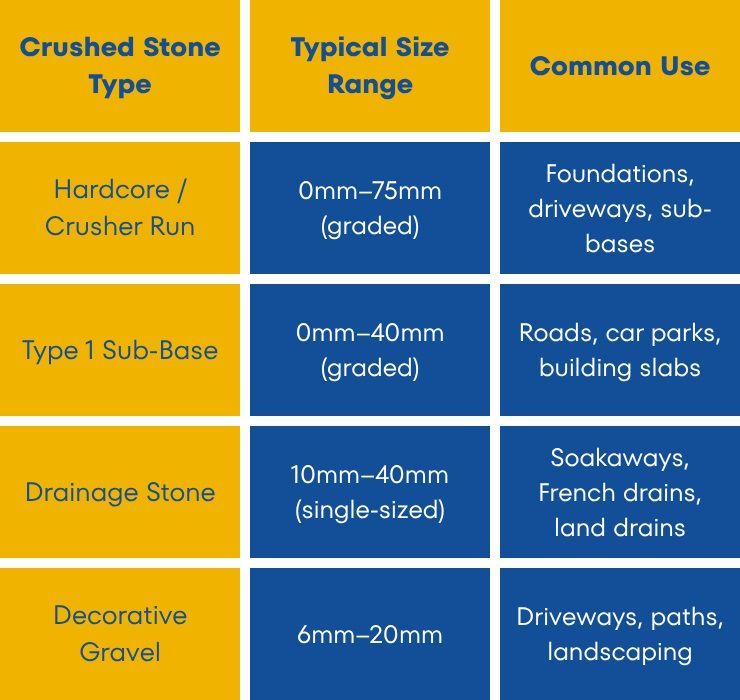
Crushed stone sizes are usually described in millimetres, referring to particle size after grading. Smaller sizes, such as 6mm to 10mm, are typically used for surface dressing, bedding pipes or fine landscaping finishes. Mid-range sizes of around 20mm to 40mm are common in drainage stone and general sub-base applications, while larger sizes of 50mm and above, including hardcore and armour stone, are reserved for heavy-duty groundworks and structural fills.
Graded products such as Type 1 and hardcore contain a mix of these sizes, from dust up to a defined top size, which helps them compact tightly. Single-sized products, such as most drainage stone and decorative gravel, are screened to a narrow range so water can move freely between the particles.
The table below gives a general guide to common crushed stone sizes and their typical construction uses.
In short: crushed stone sizes range from fine dust to large armour stone, and the right size depends on whether the job needs firm compaction or free drainage.
What Affects the Cost of Stones for Construction?
The cost of stones for construction varies depending on several factors, and understanding these can help you budget more accurately and avoid unnecessary expense.
Material type plays a significant role, as naturally quarried stone generally costs more than recycled aggregates, processed from reclaimed concrete and demolition waste. Grading also affects price, with multi-purpose products like Type 1 often more cost-effective per tonne than specialist or decorative stone. Order volume matters too, as bulk orders typically bring the price per tonne down, while smaller loads carry a higher relative cost.
Delivery distance also feeds into the final price, which is why sourcing materials from a local quarry with reliable haulage services can help keep costs down for projects across Glasgow, Dunbartonshire and Lanarkshire. Seasonal demand can influence pricing too, as busier periods in the construction calendar sometimes see tighter availability.
In short: the type of stone, its grading, the volume ordered and the distance it travels all influence the cost of stones for construction, so working with a local, reliable supplier helps keep budgets predictable.
How Do I Choose the Right Crushed Stone for My Project?
Choosing the right crushed stone starts with understanding what the material needs to do. A driveway or car park needs a compactable sub-base, so hardcore or Type 1 is usually right, often topped with decorative gravel. A drainage scheme needs a clean, single-sized stone that will not clog, making drainage stone the better option. Larger landscaping projects may call for armour or gabion stone, chosen for size and erosion resistance.
Budget and sustainability goals are worth factoring in too. Where requirements allow, recycled aggregates can offer a lower-cost, lower-carbon alternative without compromising quality. If you are unsure which product suits your project, our team can recommend the right quarry products for the job.
In short: match the stone to the job, whether that means compaction, drainage or decorative finish, and speak to your quarry if you are unsure which product to choose.
FAQ
What is the difference between crushed stone and gravel? Crushed stone is angular rock that has been crushed and screened, giving it sharp edges that lock together for strength. Gravel can be naturally rounded or crushed, sized for decorative or drainage use, so the terms sometimes overlap.
What size of crushed stone is best for a driveway? Most driveways use a graded hardcore or Type 1 sub-base of 0mm to 40mm, topped with a smaller decorative gravel of around 10mm to 20mm for the finished surface.
Is recycled aggregate as strong as natural crushed stone? Yes, quality recycled aggregates are processed and graded to the same standards as natural stone and perform well in most sub-base, hardcore and general construction applications.
How is the cost of stones for construction usually calculated? Crushed stone is generally priced per tonne, with the final cost depending on material type, size, order volume and delivery distance from the quarry.
Can I get crushed stone delivered for a small residential project? Yes, we supply crushed stone in the size and quantity you need, from small domestic loads to large commercial orders, with haulage available across Glasgow, Dunbartonshire and Lanarkshire.
Get the Right Crushed Stone for Your Project
Whatever the scale of your build, choosing the correct type and size of crushed stone makes all the difference to the finished result. With decades of experience supplying quarry products and recycled aggregates across Glasgow, Dunbartonshire and Lanarkshire, we can help you select the right material and quantity. Get in touch with our team today to discuss your requirements or place an order from our Dumbarton quarry.
Sources and Further Reading